




Introduction
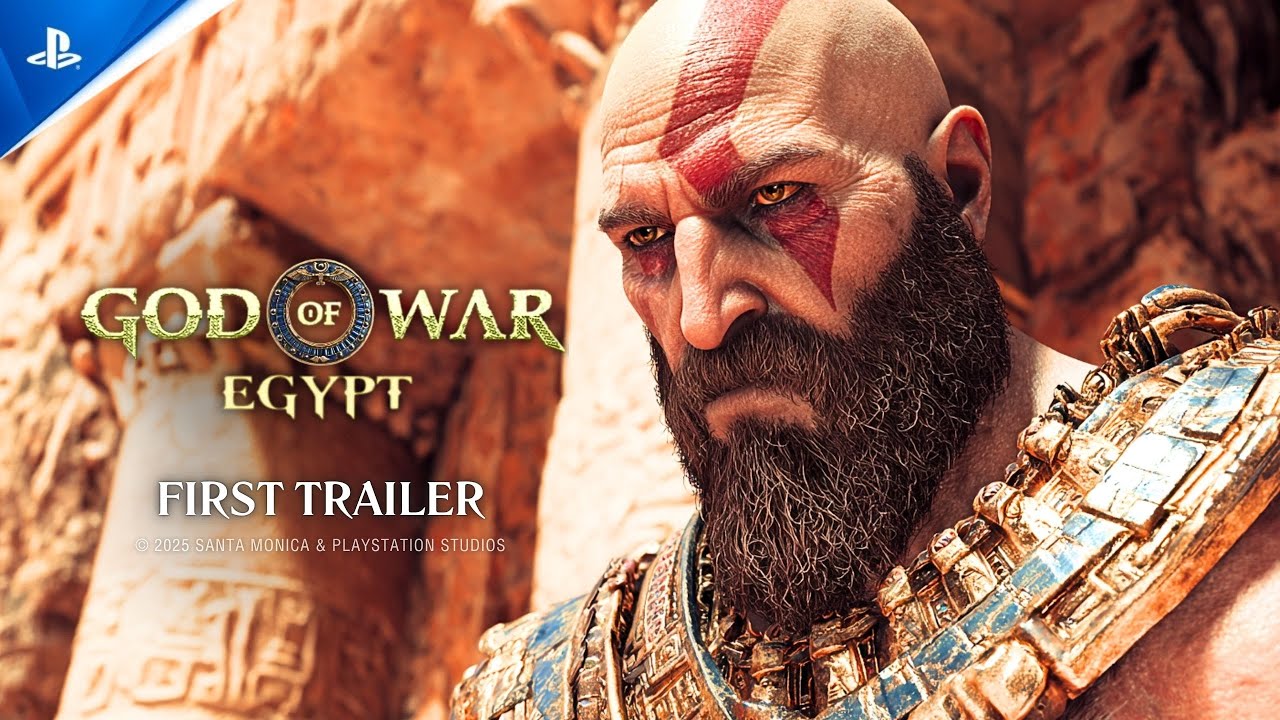
In the ever-expanding universe of God of War, where gods fall and the line between man and deity blurs, the latest installment, God of War: Egypt, offers a breathtaking dive into a new world where ancient mythologies and intense personal struggles collide. In this latest chapter, Kratos and Atreus leave the frigid realms of Norse mythology behind, venturing into the scorching deserts of Egypt, where the gods are no less formidable, and the stakes are higher than ever.

The Story: A New Battlefield for the Ghost of Sparta
After the devastation of Ragnarok, Kratos seeks a moment of peace, hoping that the far-flung sands of Egypt will offer him the refuge he desperately craves. However, peace is elusive, and Kratos quickly finds himself caught in the intricate and dangerous web of Egyptian gods, where ancient power, prophecy, and manipulation rule the land.

The film unfolds in a kingdom where gods such as Osiris, Set, Anubis, and Thoth dominate. Yet, despite their immense power, even these gods cannot escape the fury of Kratos, the Ghost of Sparta. As Kratos and his son, Atreus, navigate a world full of political intrigue, magic, and divine combat, they face a pantheon unlike any they have encountered before. In a land where gods rule not only through physical strength but also through cunning and fate, Kratos must confront his own destiny in ways he never anticipated.

Character Dynamics: Fatherhood and the Struggle for Balance
At the heart of God of War: Egypt is the enduring theme of fatherhood, which has been a central element of the series since its inception. The relationship between Kratos and Atreus continues to evolve, with Atreus walking his own path and finding his place within this complex and ever-changing world. Their dynamic is further tested as they face gods whose dominion over the world is absolute, and yet still vulnerable to the power of Kratos’ unyielding wrath.
The themes of vengeance, redemption, and the cyclical nature of fate continue to drive the narrative, but in this chapter, they are compounded by a far more complex philosophical question: Can Kratos ever truly escape his violent past, or is he doomed to forever be the harbinger of destruction?
The Egyptian Pantheon: A New Mythological Landscape
The allure of God of War: Egypt lies in its bold exploration of a pantheon that is markedly different from the Greek and Norse gods. Whereas previous films explored gods driven by rage and brute strength, this new saga introduces a more calculated, enigmatic pantheon where manipulation and fate play equally important roles as power. The Egyptian gods, steeped in mysticism and ancient lore, bring an entirely new layer of complexity to the narrative.
- Osiris: The god of the afterlife and rebirth, whose influence over life and death is unparalleled.
- Set: The god of chaos, destruction, and storms, whose volatile nature mirrors the unpredictable chaos Kratos brings to the world.
- Anubis: The god of mummification and the afterlife, playing a pivotal role in guiding souls through the underworld.
- Thoth: The god of wisdom, writing, and magic, whose knowledge of ancient magic offers Kratos both a source of power and a potential downfall.
These gods are not only formidable in their own right but are also deeply intertwined with the world’s fate. As Kratos confronts them, he discovers that the world he is fighting for is just as fragile as the gods who rule it.
The Visuals: A Breathtaking Cinematic Experience
Visually, God of War: Egypt is nothing short of magnificent. The deserts of Egypt, with their golden sands and ancient pyramids, provide a stunning backdrop to the epic battles and intimate moments of reflection. The contrast between the harsh, sun-drenched landscapes and the dark, shadowy realms of the gods creates an atmosphere of constant tension, perfectly encapsulating the central theme of the film: a struggle for balance between light and dark, life and death.
The cinematography is expertly crafted, bringing to life the mythological landscape in vivid detail. The gods’ realms are grand and awe-inspiring, while the human world remains grounded, filled with moments of intense personal conflict. The film’s action sequences, especially those involving Kratos’ brutal combat style, are as visceral and thrilling as ever, showcasing the immense power that the Ghost of Sparta wields.
The Conclusion: A New Chapter in an Epic Saga
As God of War: Egypt concludes, it becomes clear that this film is more than just a continuation of Kratos’ journey. It is a bold reinvention of the series, introducing a new set of gods, a new world, and a new set of challenges that test not only Kratos’ strength but also his very understanding of fate and power. With its stunning visuals, intricate plot, and rich character dynamics, this latest chapter stands as a testament to the enduring appeal of the God of War franchise.
In the end, Kratos may have left the realms of Olympus and the Norse gods behind, but in the land of Egypt, his wrath will be felt, and the gods will tremble once more.