




Introduction
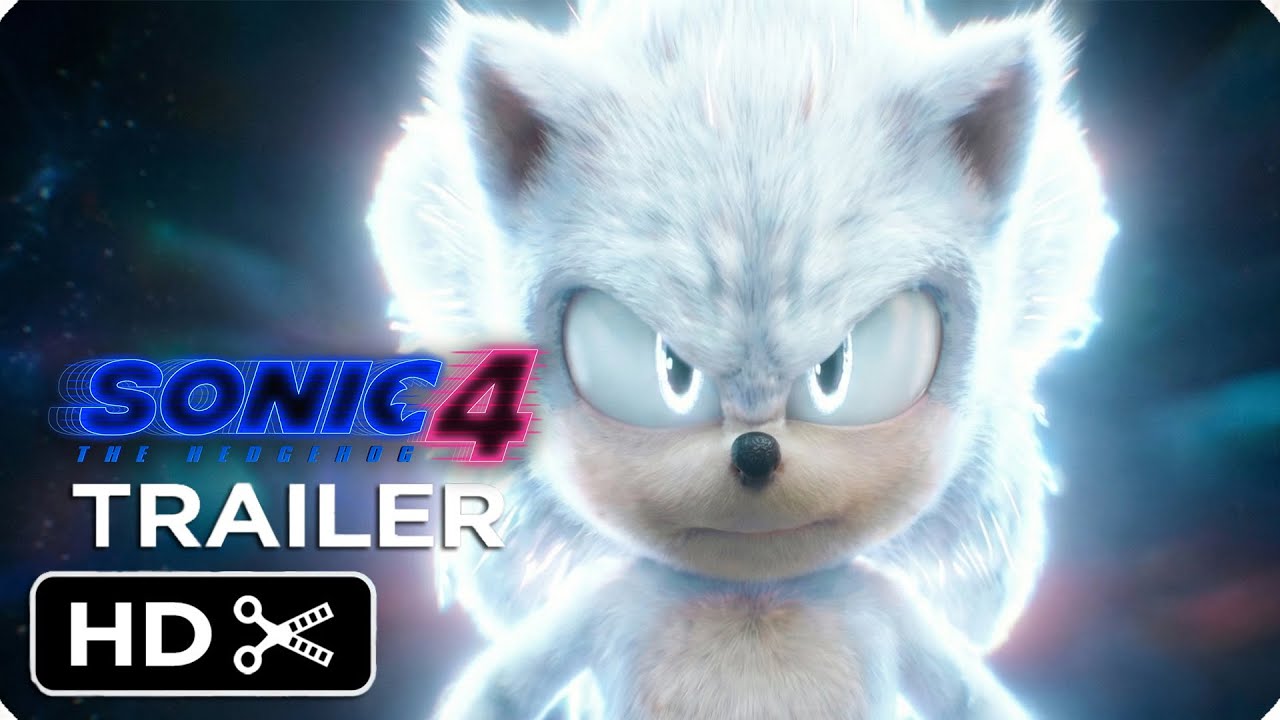
With Sonic the Hedgehog 4, the franchise sprints confidently into the multiverse era, embracing bigger stakes, wilder dimensions, and an emotional core that reminds us why Sonic has endured for generations. As a critic who has watched this character evolve across decades and mediums, I was struck by how this installment balances playful energy with sincere character growth. It is not merely louder and larger; it is more curious about who Sonic really is when speed alone is not enough.

Story Overview
The film unfolds after the events of the previous chapter, when peace appears to have finally settled over Sonic’s world. That illusion shatters with the arrival of Dr. Nega, a darker alternate version of Dr. Robotnik, whose ambitions stretch beyond one planet to every possible timeline. Reality itself becomes a racetrack for domination, powered by twisted technology and legions of menacing machines.

Forced to confront a threat that transcends his usual rivalry, Sonic gathers familiar allies — Tails, Knuckles, and Amy — and reluctantly accepts help from a mysterious new speedster. As they navigate neon futures, haunted ruins, and surreal pocket worlds, Sonic faces the choice that defines the film: remain the unstoppable blur who runs from vulnerability, or risk everything in a sacrifice that may save countless universes.

Performances and Voice Cast
Ben Schwartz once again captures Sonic’s kinetic charm, his quips sharpened by moments of genuine doubt. Jim Carrey revels in double duty, giving Robotnik and Dr. Nega distinct shades of madness — one manic and performative, the other colder and more unsettling. Together they become a study in mirrored egos.
Tika Sumpter and James Marsden return with grounded warmth, anchoring the human element amid cosmic chaos. The new additions to the voice cast add texture: Tom Holland brings an impulsive, youthful confidence to the mysterious ally, while Idris Elba’s presence deepens the sonic landscape with gravitas that complements his already beloved Knuckles portrayal. The ensemble works because each performance treats the material with sincerity rather than winking detachment.
Direction, Visuals, and Action
The direction embraces velocity without surrendering clarity. Action scenes are choreographed for coherence, allowing the audience to feel acceleration rather than simply endure visual noise. Multiversal settings are distinct and imaginative: a luminous future city of cascading holograms, ruins whispering with ancient energy, and fragmented realms where physics bends around Sonic’s motion.
The visual effects serve the story instead of overwhelming it. The contrast between bright kinetic worlds and shadowed mechanical domains underscores the moral tension of the narrative. Sonic’s iconic blue streak becomes not just a stylistic flourish, but a thematic thread connecting disparate realities.
Theme and Emotional Core
What elevates Sonic the Hedgehog 4 is its willingness to slow down emotionally even as the characters accelerate physically. The film explores identity, consequence, and the weight of being a symbol. Sonic confronts the uncomfortable truth that speed cannot always outrun grief, responsibility, or the fear of losing the people who believe in him.
The multiverse concept becomes more than a narrative device; it reflects the many versions of ourselves we wish we could be. In Dr. Nega, we see a distorted reflection of unchecked intellect without empathy. In Sonic, we witness growth toward courage that is defined by choice rather than velocity.
Highlights
- Inventive multiverse world-building that avoids repetition
- Charismatic and committed voice performances
- Action sequences that communicate both scale and emotional stakes
- A surprisingly resonant exploration of sacrifice and identity
Where It Falters
- Some exposition-heavy moments briefly stall narrative momentum
- Multiverse mechanics may feel dense for younger viewers
- Certain secondary characters could benefit from more screen time
Final Verdict
Sonic the Hedgehog 4 is not just another lap around familiar tracks. It is an energetic and heartfelt leap into larger storytelling, honoring the character’s playful roots while inviting him into more mature dramatic territory. Fans seeking spectacle will find it in abundance; those seeking emotional resonance may be pleasantly surprised.
Ultimately, the film asks a simple question beneath its cosmic fireworks: What does it truly mean to be a hero when every version of home is at stake? The answer arrives with speed, humor, and just enough tenderness to linger after the credits roll.