




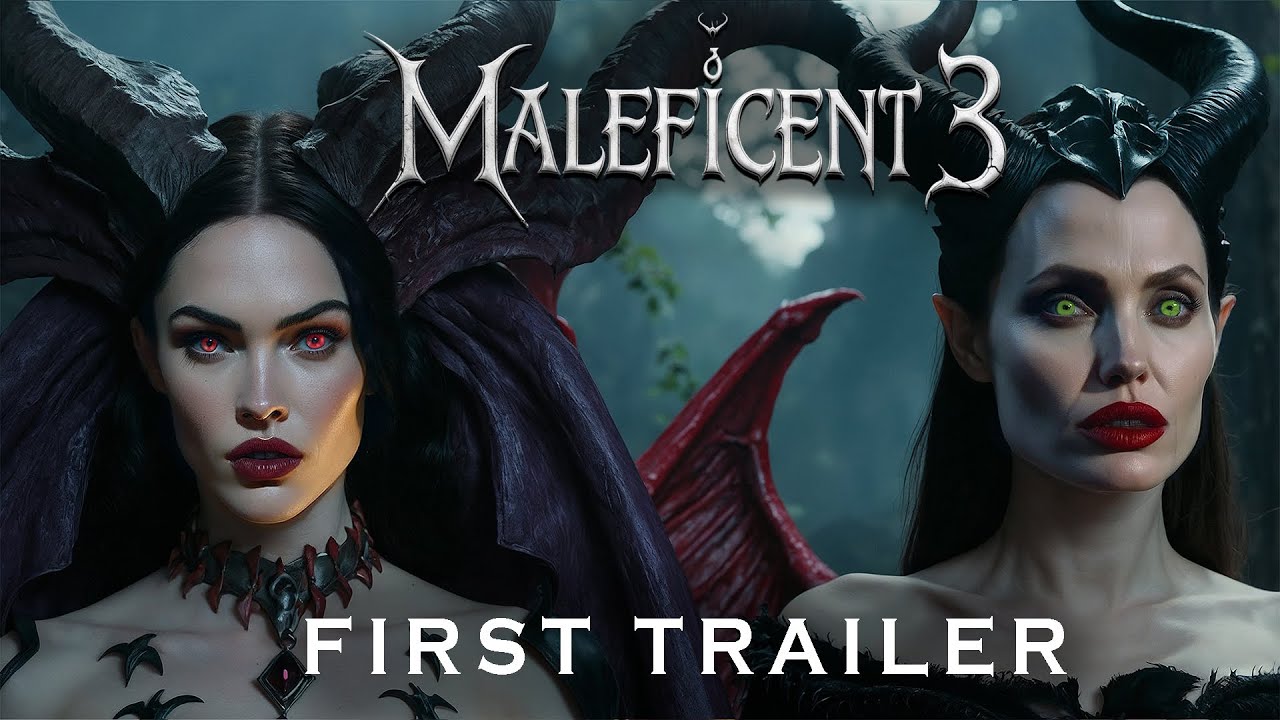
Maleficent 3: Fae – A Darkly Captivating Finale
The long-awaited conclusion to the Maleficent saga has arrived with Maleficent 3: Fae, an epic chapter that brings a blend of magic, myth, and betrayal to the forefront. Directed by Joachim Rønning, this final entry promises to push the boundaries of its predecessors while delivering a story rooted in transformation and hidden truths.

The Awakening of the Fae
The film’s premise is deeply entwined with themes of destiny and identity, centering around Maleficent’s bloodline and the ancient fae that begin to stir beneath the surface of the Earth. After years of tenuous peace between the Moors and the human kingdom, the balance is disrupted by a force more powerful than anyone could imagine – one tied to Maleficent’s very existence.

In a world where light and darkness are in constant opposition, the film deftly explores the idea of what lies in between, with Maleficent standing as both a symbol of untapped potential and a guardian of the unknown. She must confront the depths of her origins to understand her true purpose in this shifting realm of fae and humans.

A Tale of Magic and Betrayal
The heart of Maleficent 3: Fae lies in its exploration of betrayal. Queen Aurora, now in power, struggles to unite the warring kingdoms, while a dangerous faction of fae seeks to unleash a devastating war. The film offers an intricately woven narrative that constantly shifts in tone, from tense moments of reflection to pulse-pounding action sequences, as Maleficent faces the ultimate challenge: her greatest weakness — her heart.
This story sees Maleficent not only battling external forces but also grappling with her own inner turmoil. Her character arc is one of monumental transformation, as she transitions from a feared villain to a powerful, almost divine figure, caught in the web of fate and her destiny.
The Performances
Angelina Jolie once again brings her fierce and commanding presence to the role of Maleficent, imbuing the character with layers of complexity that resonate deeply with the audience. Her performance remains one of the defining aspects of the franchise, a portrayal of strength, vulnerability, and wisdom. Alongside her, Elle Fanning’s portrayal of Queen Aurora serves as a beautiful contrast, bringing a sense of grace and hope to the dark undercurrents of the narrative.
A Visual Feast
The cinematography in Maleficent 3: Fae is nothing short of breathtaking. From the lush, mystical landscapes of the Moors to the eerie, foreboding realms of the fae, the visuals enhance the narrative, creating a dreamlike atmosphere that adds to the sense of grandeur and danger. The effects are equally impressive, especially in the transformation scenes and the intricate magic battles that unfold throughout the film.
Conclusion: A Dark, Beautiful Farewell
Ultimately, Maleficent 3: Fae serves as a fitting and satisfying conclusion to a story that has captivated audiences with its dark themes and rich character arcs. It’s a tale of power, sacrifice, and the eternal struggle between light and darkness. For those who have followed Maleficent’s journey from the beginning, this film will feel like both an ending and a beginning, as it leaves us pondering the nature of fate and the forces that shape our destinies.
In a cinematic landscape often dominated by reboots and franchises, Maleficent 3: Fae stands out as a unique, powerful narrative that offers more than just spectacle — it offers a meditation on the essence of transformation and the ties that bind us all.