



An Island Where Legends Refuse to Stay Buried
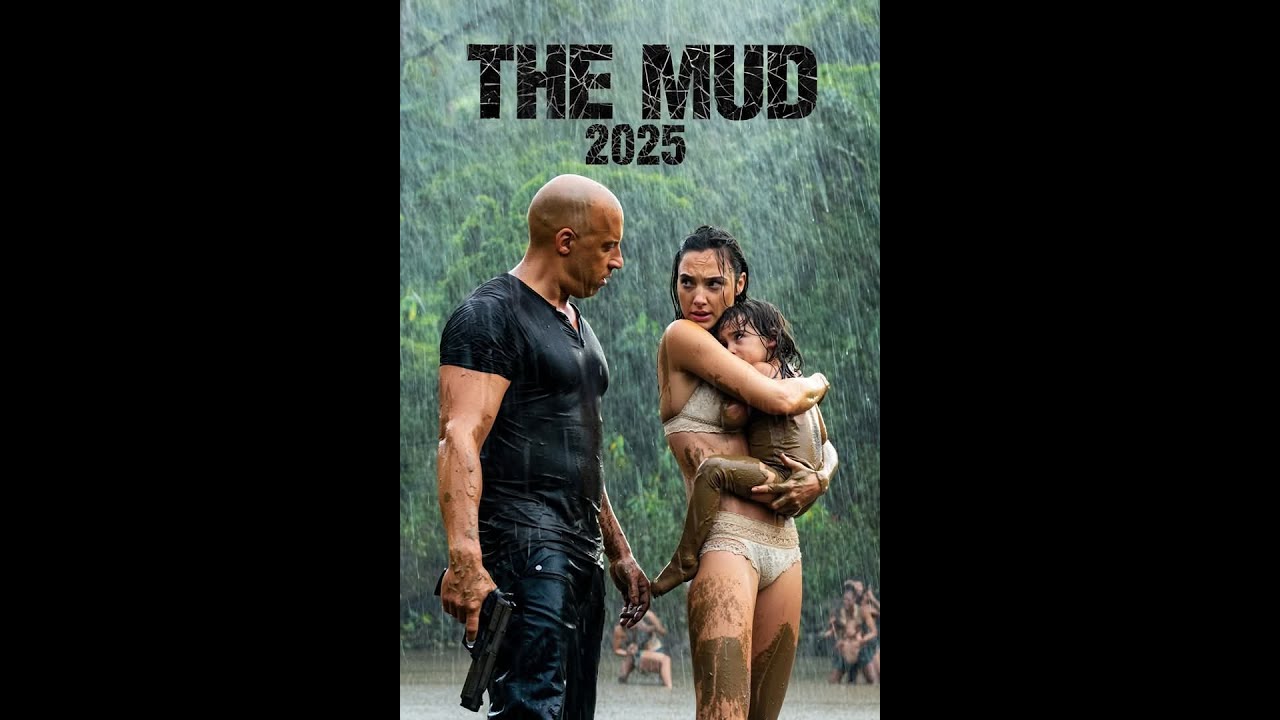
After more than a decade of watching thrillers rise and sink on the strength of their conviction, I have learned that atmosphere often tells the truth before the plot does. The Mud (2025) understands this instinctively. Set on a remote, unforgiving island along the Mississippi, the film opens with a tactile sense of danger: wet earth clinging to boots, silence broken by distant water, and the uneasy feeling that history here is not finished with the living.

This is a survival thriller that wants to be more than a chase. It aims for myth, for moral reckoning, and for the uneasy bond between strangers who sense that staying together may be as dangerous as splitting apart.

Story and Themes
The narrative follows two young drifters whose chance encounter with a mysterious outsider pulls them into a hidden world of legendary bounty hunters and whispered treasure myths. What begins as curiosity quickly turns into a fight for survival, as shifting alliances and carefully buried secrets rise to the surface.

The film’s greatest strength lies in its thematic ambition. The Mud is less interested in the treasure itself than in what people are willing to sacrifice to believe in something larger than themselves. The story repeatedly asks whether loyalty is a choice or a necessity when the ground beneath you keeps giving way.
Key Themes Explored
- The fragility of trust in lawless spaces
- Myth versus reality in modern survival stories
- The cost of loyalty when survival is at stake
Performances: Star Power Meets Restraint
Gal Gadot delivers a performance built on contradiction. Her character is alluring yet lethal, warm yet unreadable. Gadot wisely avoids turning the role into a simple action archetype, instead letting quiet moments and controlled stillness communicate threat and longing in equal measure.
Cristiano Ronaldo, in a role that leans more on physical presence than verbosity, brings an unexpected gravity. His performance is raw and minimalistic, relying on posture, movement, and silence. While not traditionally expressive, he fits the film’s primal tone, where words are often liabilities rather than tools.
The supporting cast fills out the world effectively, particularly the two drifters at the story’s core, whose uneasy bond provides the emotional spine of the film.
Direction and Pacing
The direction favors patience over spectacle. The camera lingers on mud, water, and shadow, allowing tension to accumulate naturally. Action sequences are sharp and purposeful, never indulgent. When violence erupts, it feels sudden and consequential rather than choreographed for applause.
Pacing is deliberate, especially in the first act. Some viewers may find the slow burn demanding, but the payoff is a final stretch that feels earned rather than rushed. The film trusts its audience to sit with discomfort, and that trust is mostly rewarded.
Visuals and Sound Design
Visually, The Mud is grounded and tactile. Earth tones dominate the palette, reinforcing the idea that the island itself is an active participant in the story. The Mississippi backdrop is not romanticized; it is heavy, indifferent, and quietly menacing.
The sound design deserves particular praise. Instead of leaning on an intrusive score, the film uses environmental noise to build tension: wind through trees, distant footsteps, the slow churn of water. Silence becomes as expressive as dialogue.
Strengths and Weaknesses
- Strengths: Strong atmosphere, committed performances, thoughtful themes, restrained action
- Weaknesses: Slow opening act, occasional narrative ambiguity that may frustrate some viewers
Final Verdict
The Mud (2025) is not a film that rushes to entertain; it waits for you to meet it on its own terms. It blends myth and modern survival thriller elements with a confidence that feels increasingly rare. While not flawless, its commitment to mood, character, and moral tension makes it a compelling watch.
For audiences willing to embrace a slower, more contemplative descent into danger, The Mud offers a haunting reminder that the most treacherous terrain is often not the land beneath our feet, but the choices we make when escape is no longer an option.